





The first inhabitants of Alfred were the Seneca Indians, members of the iroquois Confederacy who hunted and lived throughout the region. In May 1807, Clark Crandall, Nathan Green and Edward
Green, following the Seneca trails, arrived on foot from eastern New York to begin a new life. The town was officially incorporated on March 11, 1808. Two distinct living centers emerged within its borders: Baker’s Bridge (later named Alfred, then Alfred Station), and the Village of Alfred, originally incorporated as Alfred Centre on September 1, 1887. Also of note is the area nicknamed Tinkertown, located between the two main settlements, and so called because of the many small industries (tinkers) found there in the early years.
As most of the early settlers were Seventh Day Baptists, they brought their ideals and common religious practices to Alfred: ideals that strongly influenced the development of the town for over one hundred and fifty years. Their Saturday Sabbath-keeping meant that businesses were closed on Saturdays and open on Sundays. They were fairly liberal minded. As a result, they were strong abolitionists who worked to abolish slavery by vocally opposing it, participated in the Underground Railroad, and volunteered to fight in the Civil War. They were also much more open in their attitude toward women’s rights than most other people of their time.
The 1851 opening of the Erie Railroad had a major effect on day-to-day life in Alfred. Agricultural goods (including dairy and cheese products) were now easily shipped to larger markets and travel between cities was opened up as passenger trains ran the lines. A notable section of the railroad, “Tip Top” Is just over the hill from Alfred. it was so named because it’s the highest point on the Erie line between New York City and Chicago. Early steam trains had to work hard to make it over the top.
Small and large businesses flourished in the town during the nineteenth century as did the educational system. The Alfred Select School opened in 1836 to provide an education beyond the local one room schoolhouses. Open to both men and women, it soon grew and became Alfred Academy in 1843 and was incorporated as Alfred University in 1857. Due to the liberal nature of the townspeople and to strong leaders, the students were exposed to women’s rights and equality for all people at an unusually early time. Famous speakers often came to town: Frederick Douglass, Julia Ward Howe, Sojourner Truth, and Susan B. Anthony, to name a few.
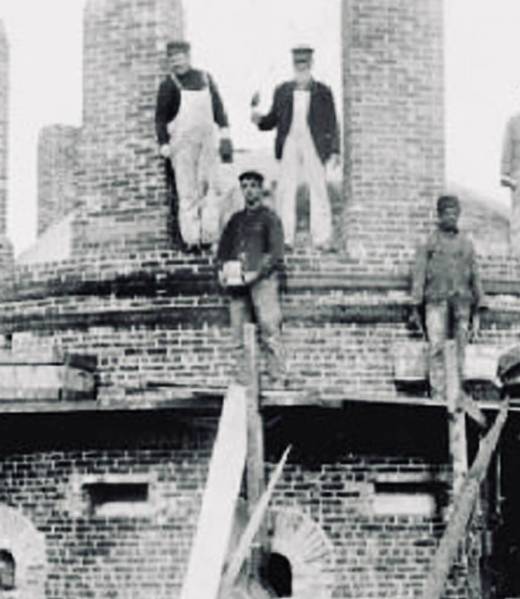
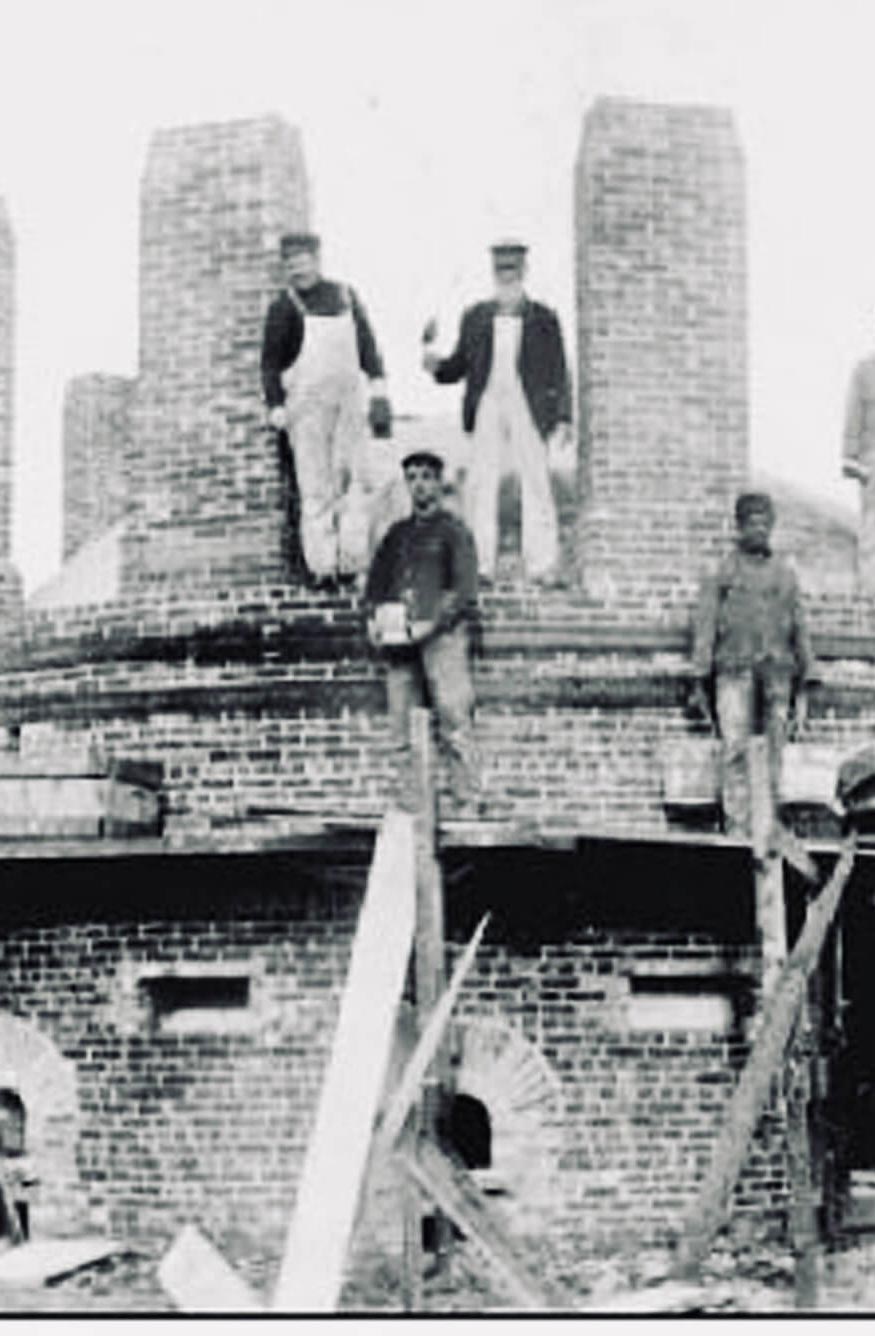
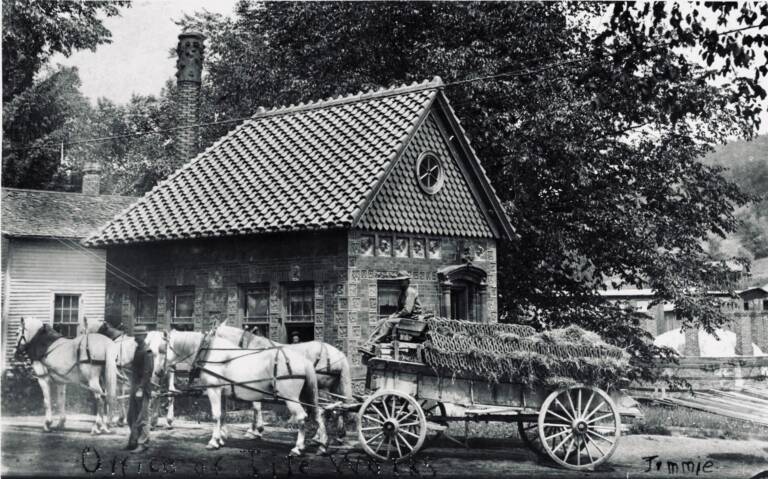
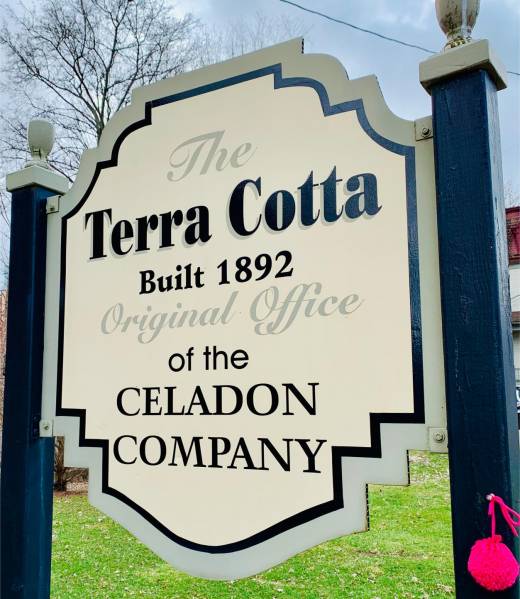
The Celadon Terra Cotta Company, opened in 1888 and was soon producing decorative roof tiles made from the local shale, which, when fired in a kiln, turned a distinctive terra cotta reddish color. Many structures in Alfred still have roofs constructed with these tiles, which give our community a special aura, and speak of this important ceramics history. Celedon co-founder John Jake Merrill, also a New York State Tax Commissioner, was instrumental in obtaining the passage of the 1900 bill establishing the New York State School of Clayworking and Ceramics. This became the current New York State College of Ceramics at Alfred University. A second factory, operated by the Rock Cut Clay Company (later called the Alfred Clay Company), opened in Alfred Station and produced bricks and roofing tiles.
Continuing the expansion of educational offerings, the School of Agriculture opened with more state funding in 1908 as New York State was looking for ways to provide rural youths instruction in agriculture and domestic science. This school was eventually incorporated into the State University of New York when that formed in 1948, and is today known as Alfred State College.
While the institutions of higher education play a central role in Alfred’s daily activities, it’s important also to remember that no town is complete or flourishing without volunteer organizations that work toward noble and good causes, or the businesses that provide essential goods and services. Alfred’s history, past and present, is full of such organizations and businesses, some of which have operated for decades while others lasted only a short time.
Many wonder how Alfred got its name but no one can give a definitive answer. The most likely theory is that it is named for Alfred the Great, king of the Saxons in England, also known as the “Education King.” Whatever the truth, the community of Alfred prides itself not only on its role in education, (preschool through doctoral programs) but also on its longstanding and rich ceramics heritage.
This Alfred History has been adapted and condensed from a history of Alfred written by Laurie Lounsberry Meehan, Alfred historian, and was originally written as the introduction to the book “Alfred and Alfred Station”.
Following is a list of potential projects that can be used to infuse a visually obvious terra cotta design presence into our community. This will speak of our unique ceramic heritage to all who enter Alfred, and enable us to introduce them to our world class ceramic and glass technology and ceramic art:
Possible applications for terra cotta design are unlimited. We know of no other community that is using terra cotta in this way, or has the abilities we have to do it. We have resources through the schools in our valley that can help with marketing, design, architecture, production, construction, sculpture and art. Everyone can be involved in this project, and it will help students connect with our community. It will be an emphatic statement that Alfred is “Outside of Ordinary”, and the world center for ceramics.
Any / all additional ideas are welcome. Please email them to alfredny21cg@gmail.com. Thank you.
"*" indicates required fields
PO Box 1182
Alfred NY 14802
Questions or comments, all welcome.
"*" indicates required fields
PO Box 1182
Alfred NY 14802



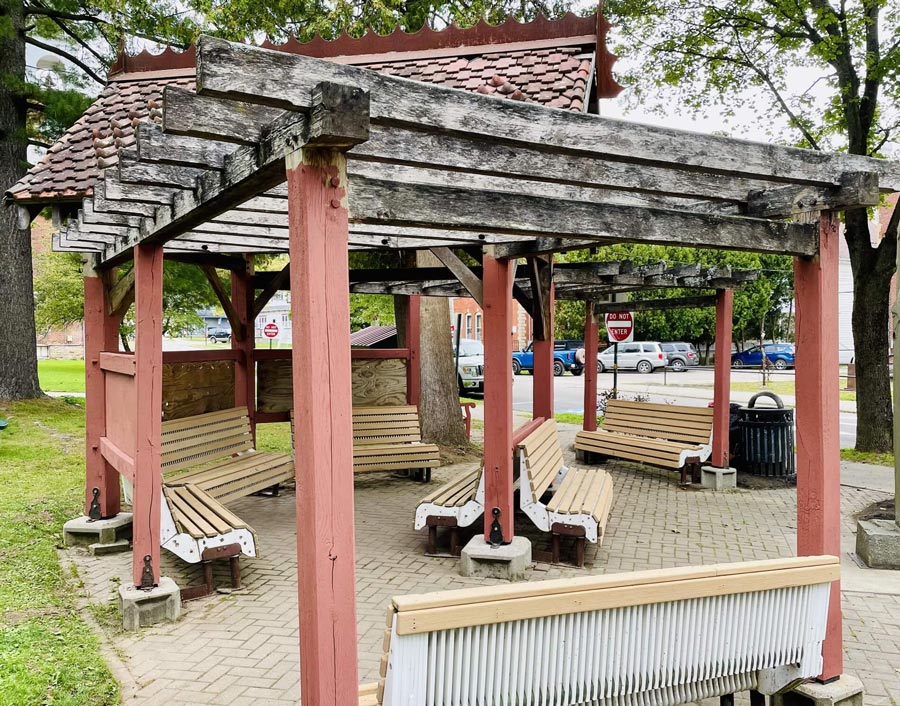
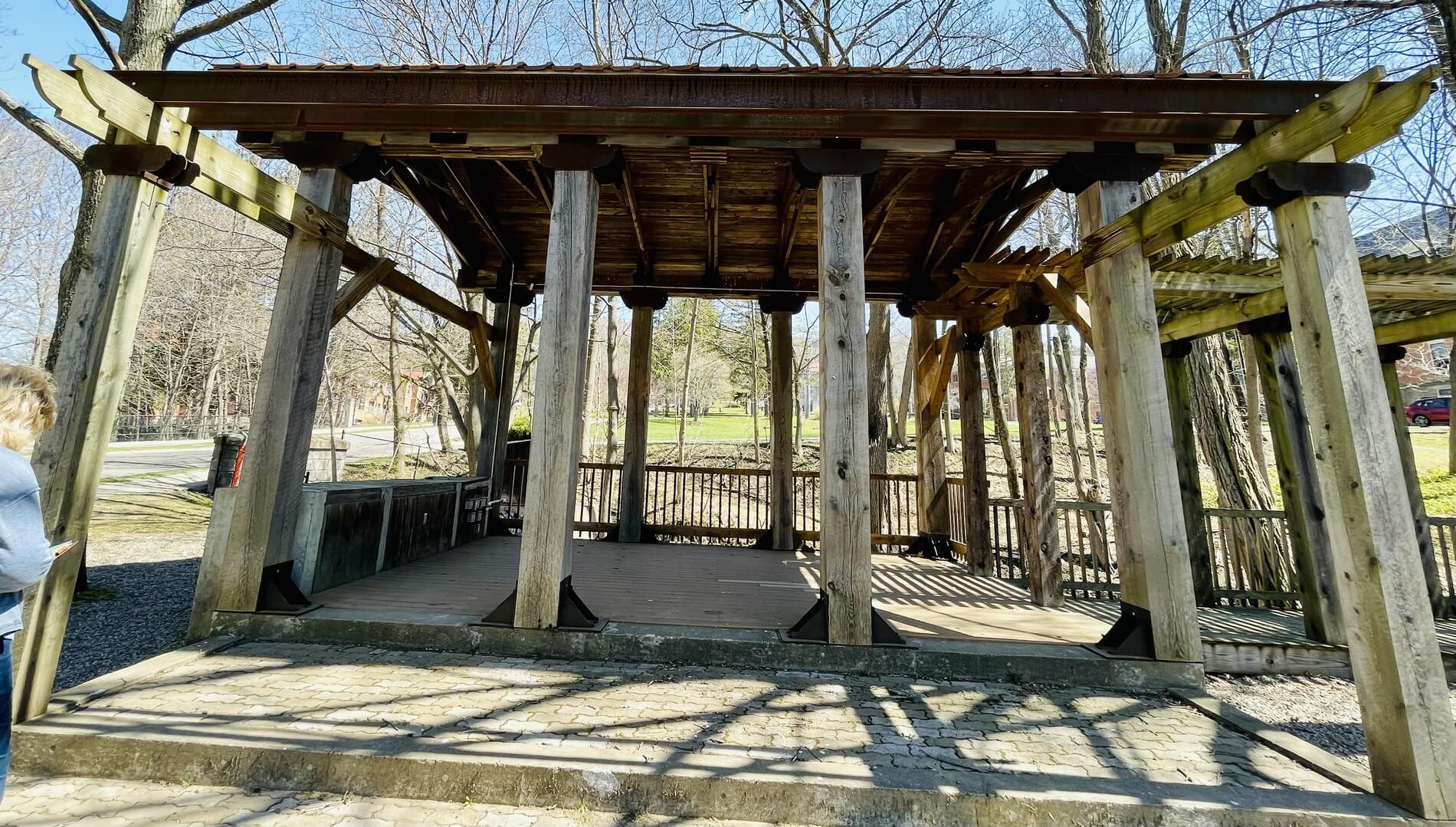
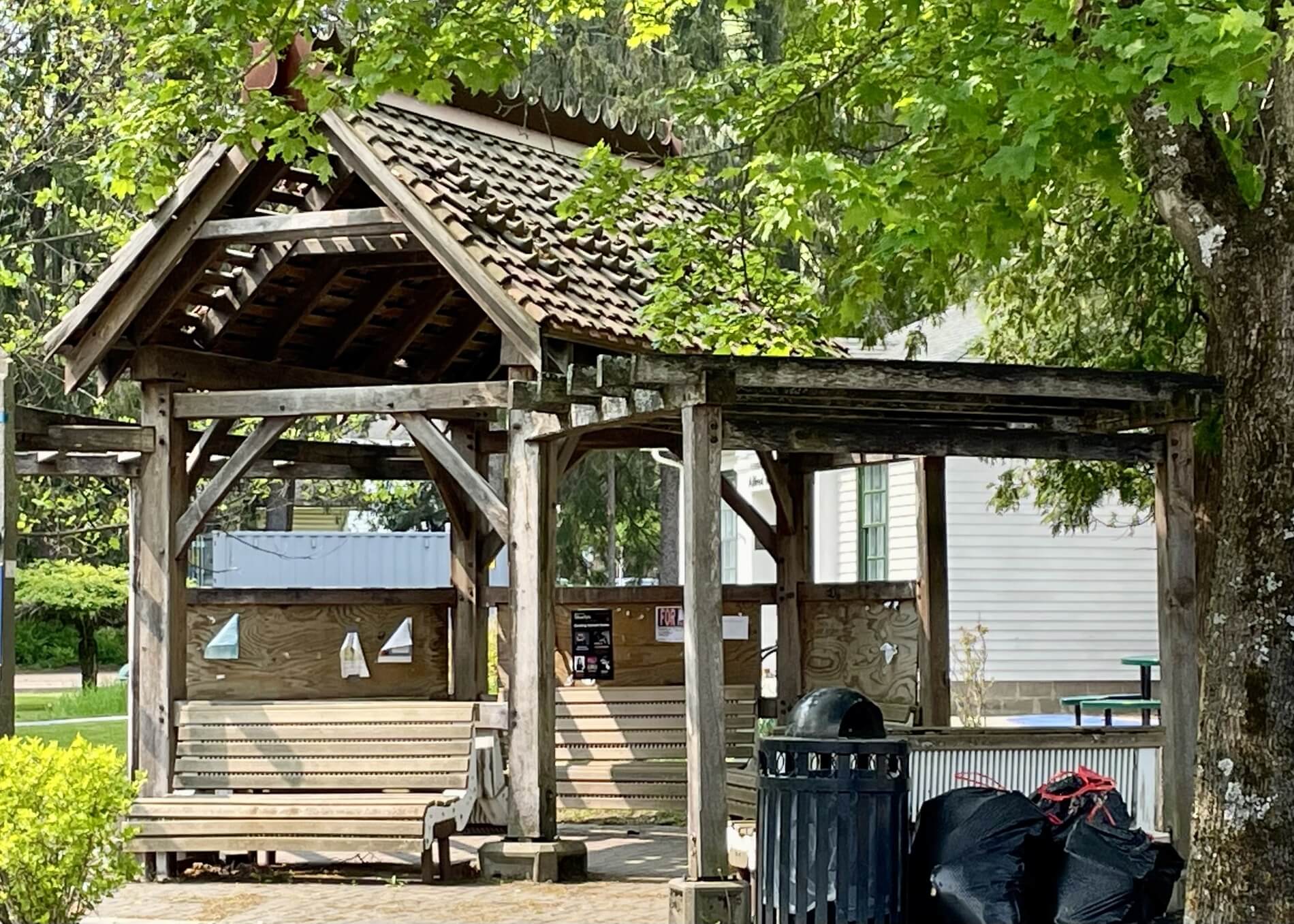
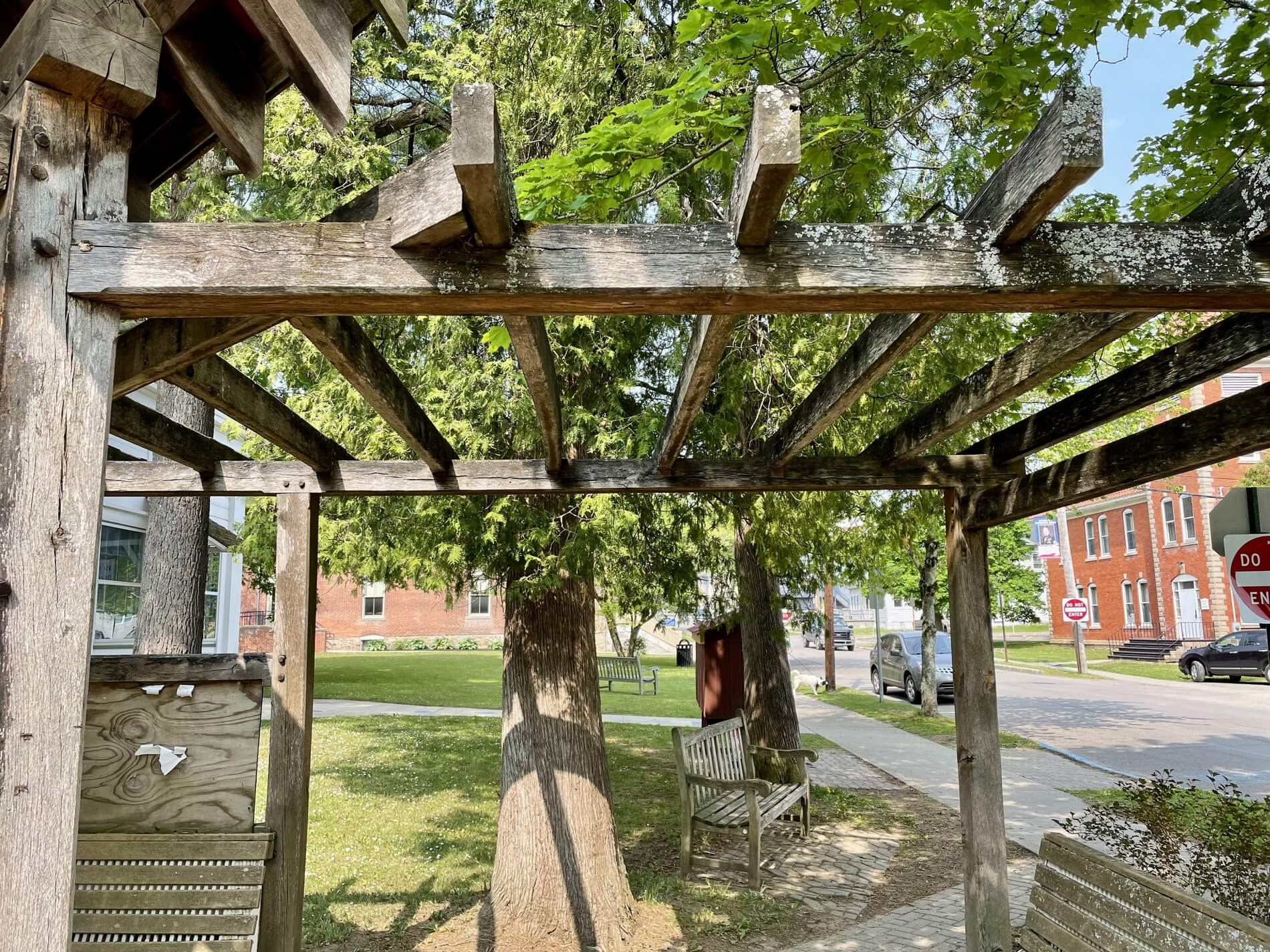
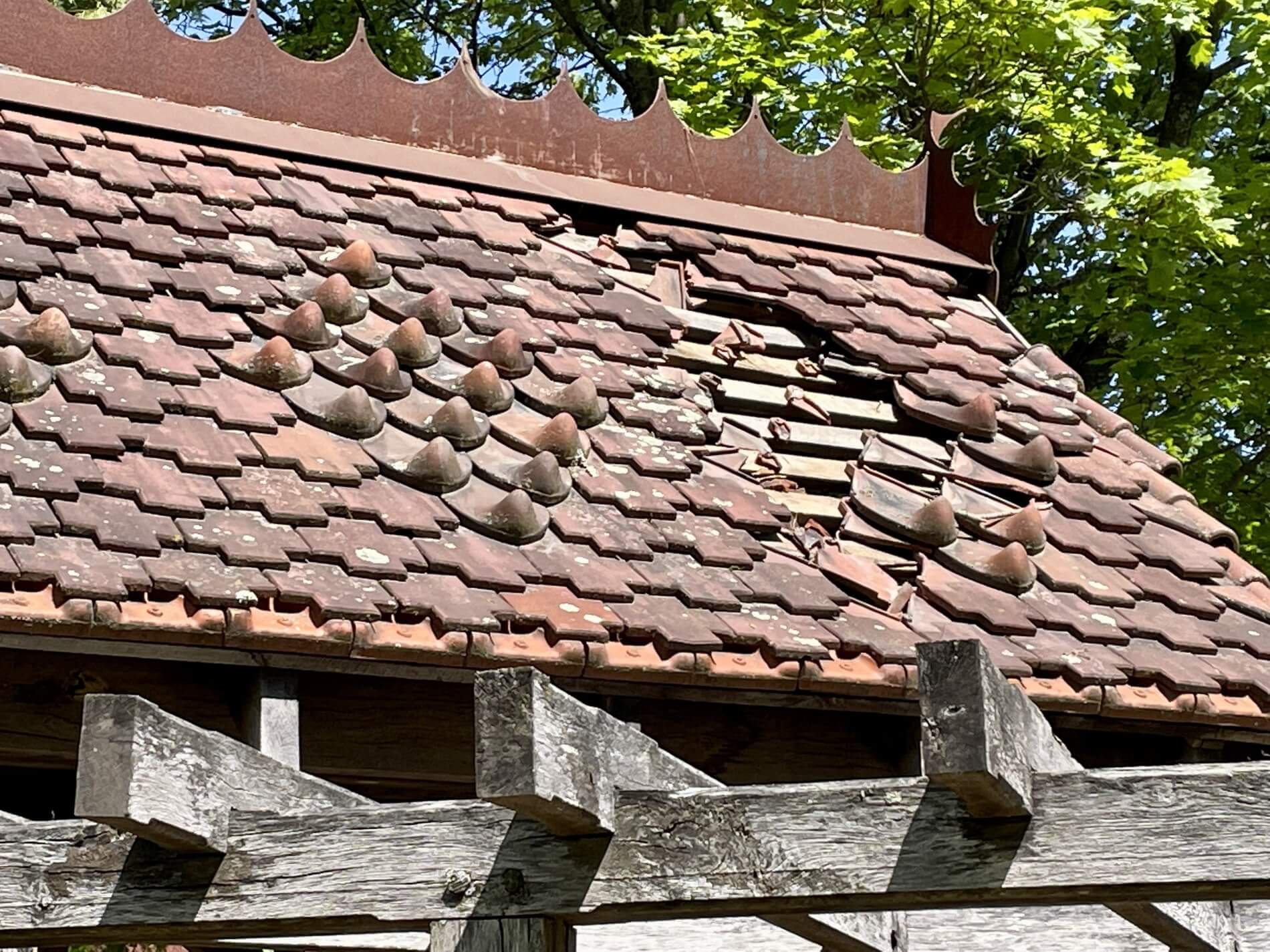
Over the past 25 years the timber has become weathered, and the overhanging trees have shed leaves and discolored the tile roof. It is therefore ripe for a freshening up of the same nature as is inprocess with the gazebo. As it is a much larger structure, it will take a lot more work and materials. It alsohas the potential to be equipped for other uses, such as with a movie screen. The total project would include cleaning and staining, roof cleaning, and repair of a few structural elements. It could also include terra cotta cladding on posts and beams, additional tile roof on the walkways, an added lighting system, a picnic pavilion in front of the right wing, and terra cotta pavers on the high wear area in front of the structure. This would affirm and enhance the stated original purpose of the bandstand.
Over the past 25 years the timber has become weathered, and the overhanging trees have shed leaves and discolored the tile roof. It is therefore ripe for a freshening up of the same nature as is inprocess with the gazebo. As it is a much larger structure, it will take a lot more work and materials. It alsohas the potential to be equipped for other uses, such as with a movie screen. The total project would include cleaning and staining, roof cleaning, and repair of a few structural elements. It could also include terra cotta cladding on posts and beams, additional tile roof on the walkways, an added lighting system, a picnic pavilion in front of the right wing, and terra cotta pavers on the high wear area in front of the structure. This would affirm and enhance the stated original purpose of the bandstand.
Over the past 25 years the timber has become weathered, and the overhanging trees have shed leaves and discolored the tile roof. It is therefore ripe for a freshening up of the same nature as is inprocess with the gazebo. As it is a much larger structure, it will take a lot more work and materials. It alsohas the potential to be equipped for other uses, such as with a movie screen. The total project would include cleaning and staining, roof cleaning, and repair of a few structural elements. It could also include terra cotta cladding on posts and beams, additional tile roof on the walkways, an added lighting system, a picnic pavilion in front of the right wing, and terra cotta pavers on the high wear area in front of the structure. This would affirm and enhance the stated original purpose of the bandstand.
Over the past 25 years the timber has become weathered, and the overhanging trees have shed leaves and discolored the tile roof. It is therefore ripe for a freshening up of the same nature as is inprocess with the gazebo. As it is a much larger structure, it will take a lot more work and materials. It alsohas the potential to be equipped for other uses, such as with a movie screen. The total project would include cleaning and staining, roof cleaning, and repair of a few structural elements. It could also include terra cotta cladding on posts and beams, additional tile roof on the walkways, an added lighting system, a picnic pavilion in front of the right wing, and terra cotta pavers on the high wear area in front of the structure. This would affirm and enhance the stated original purpose of the bandstand.
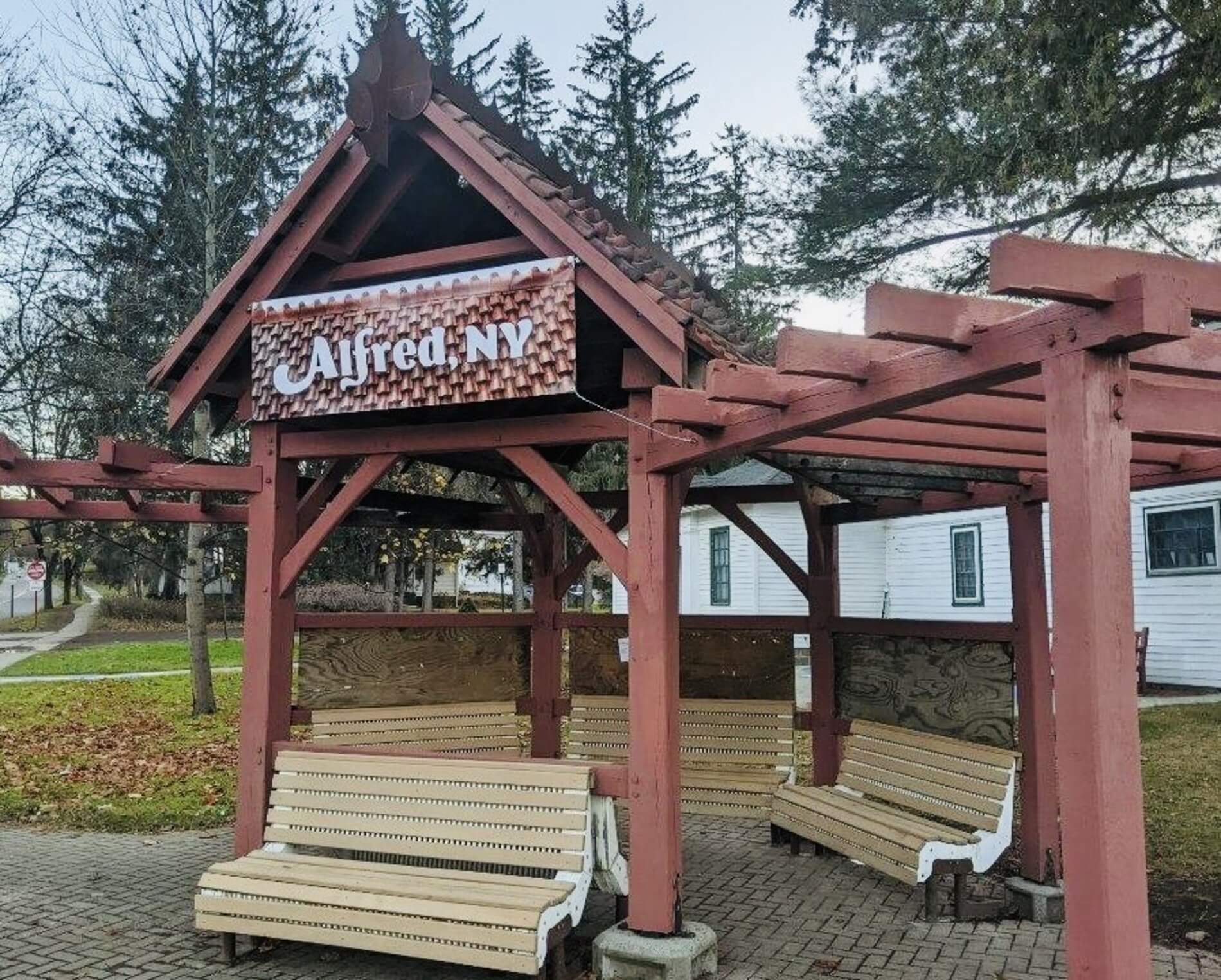
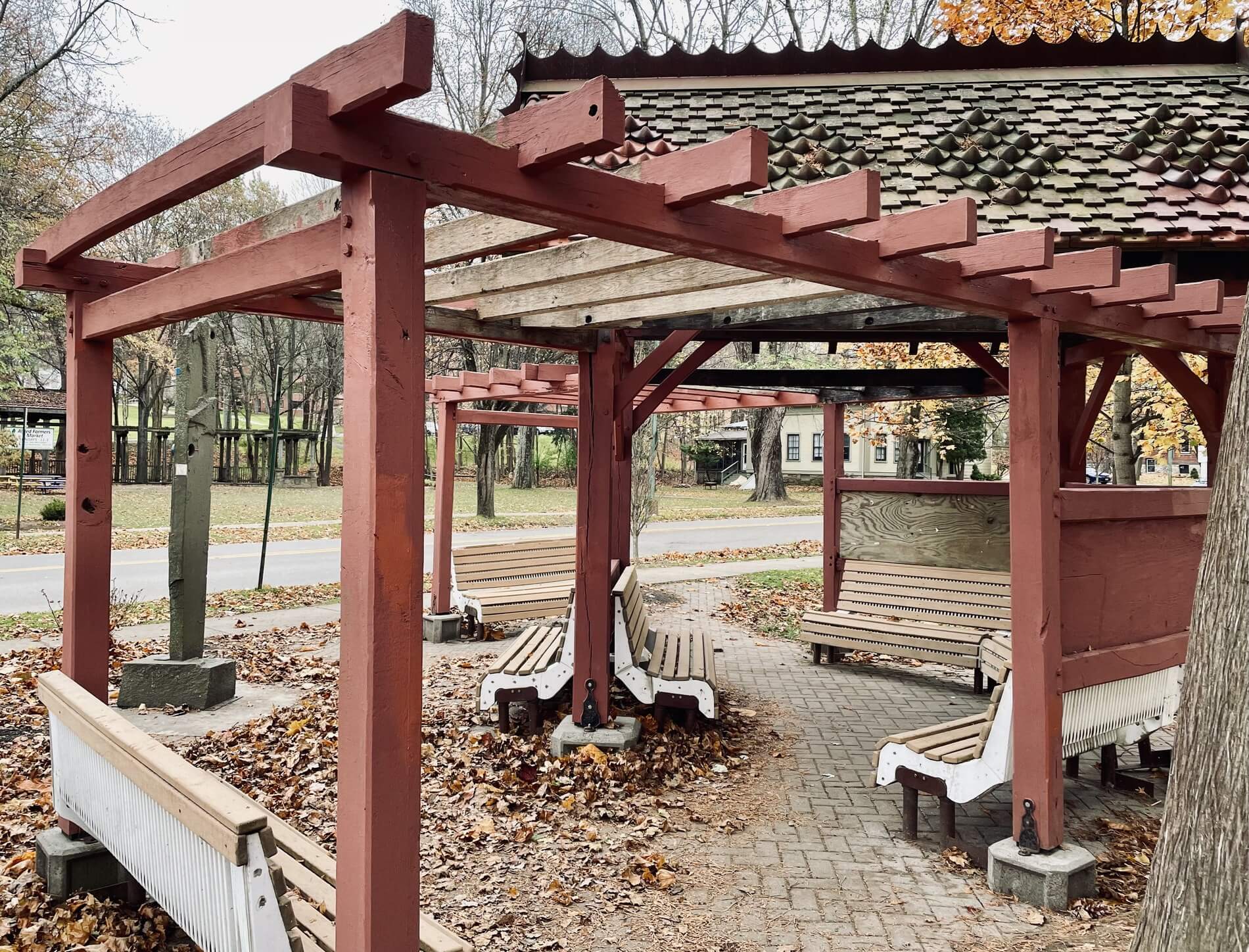
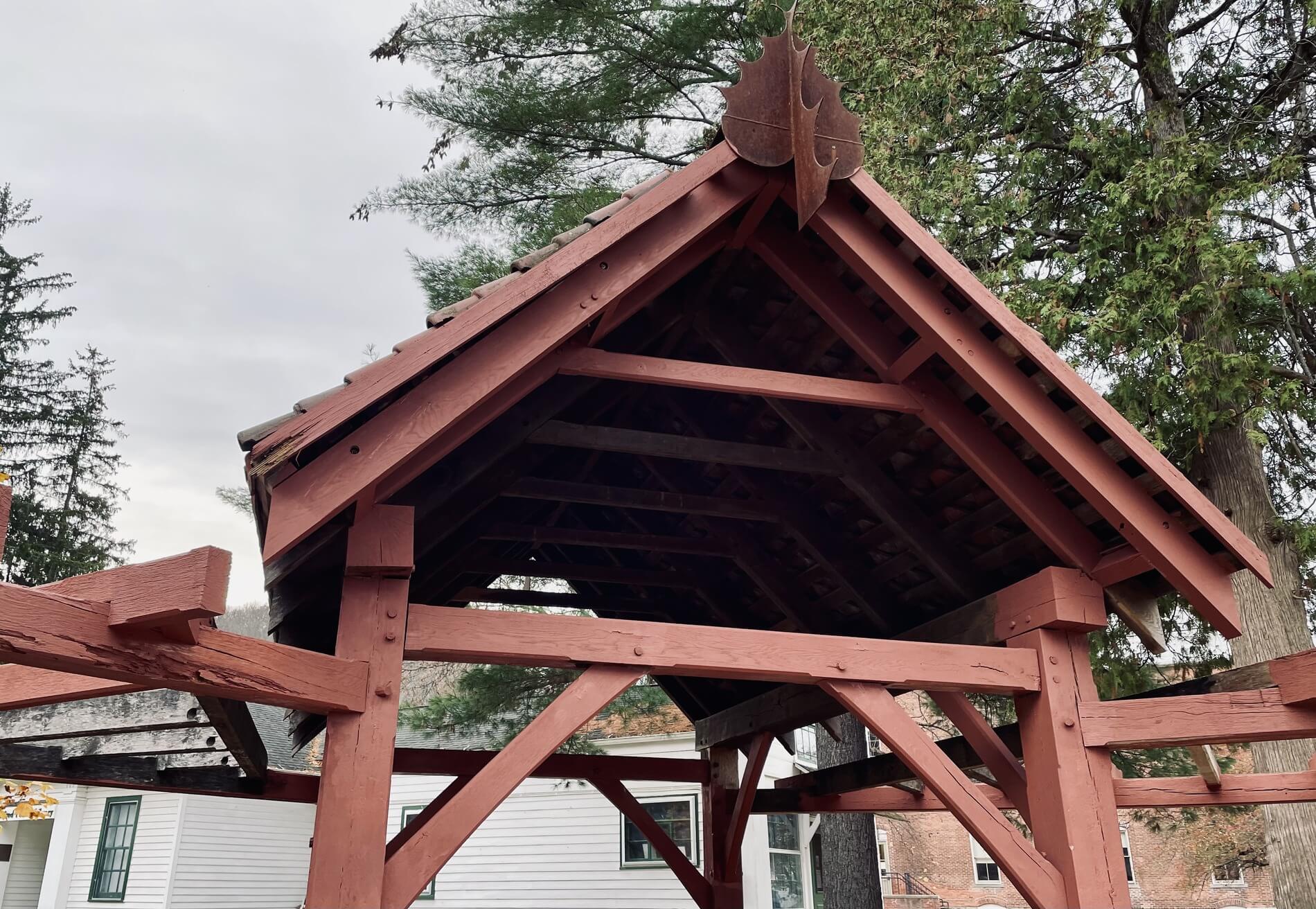
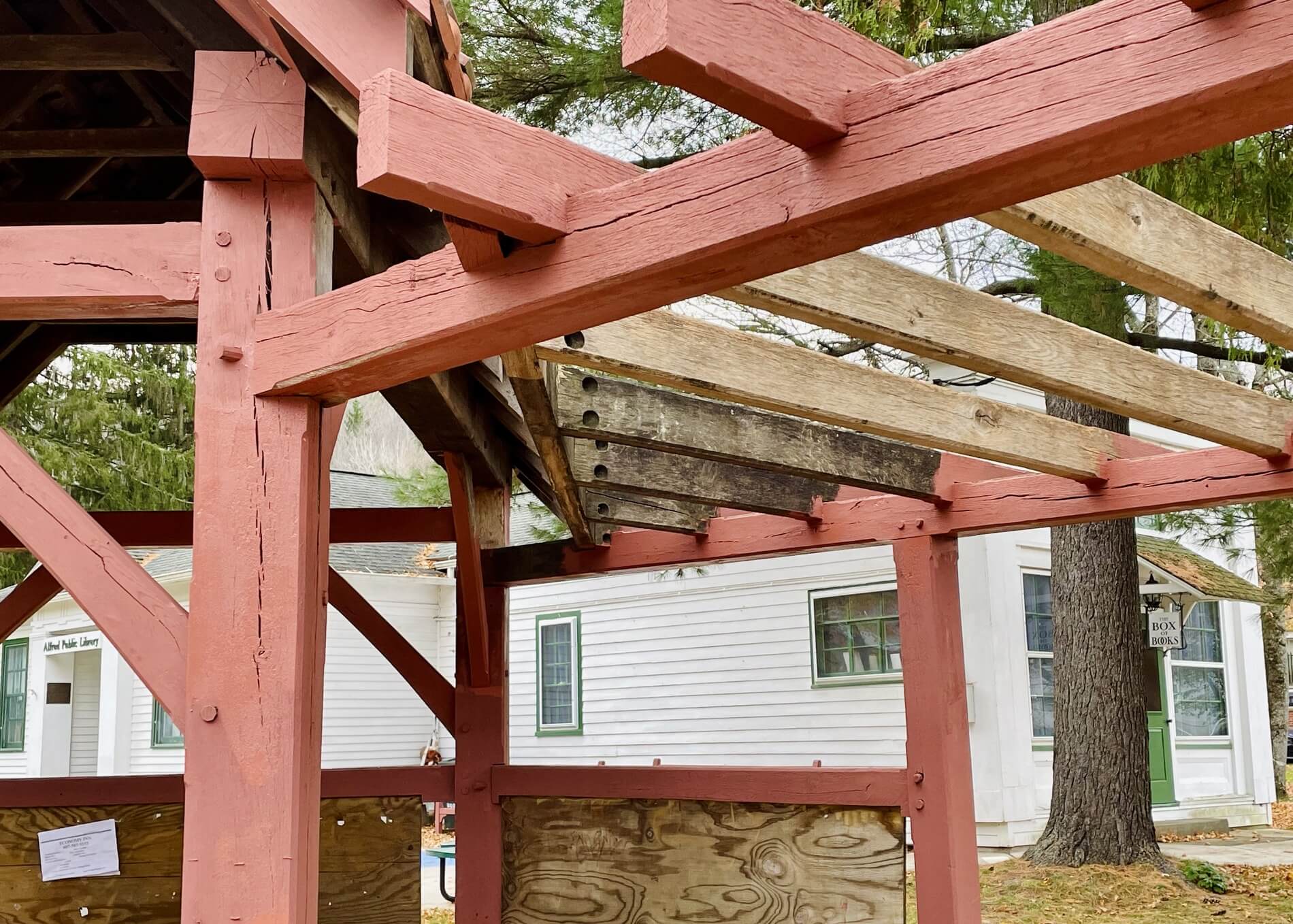
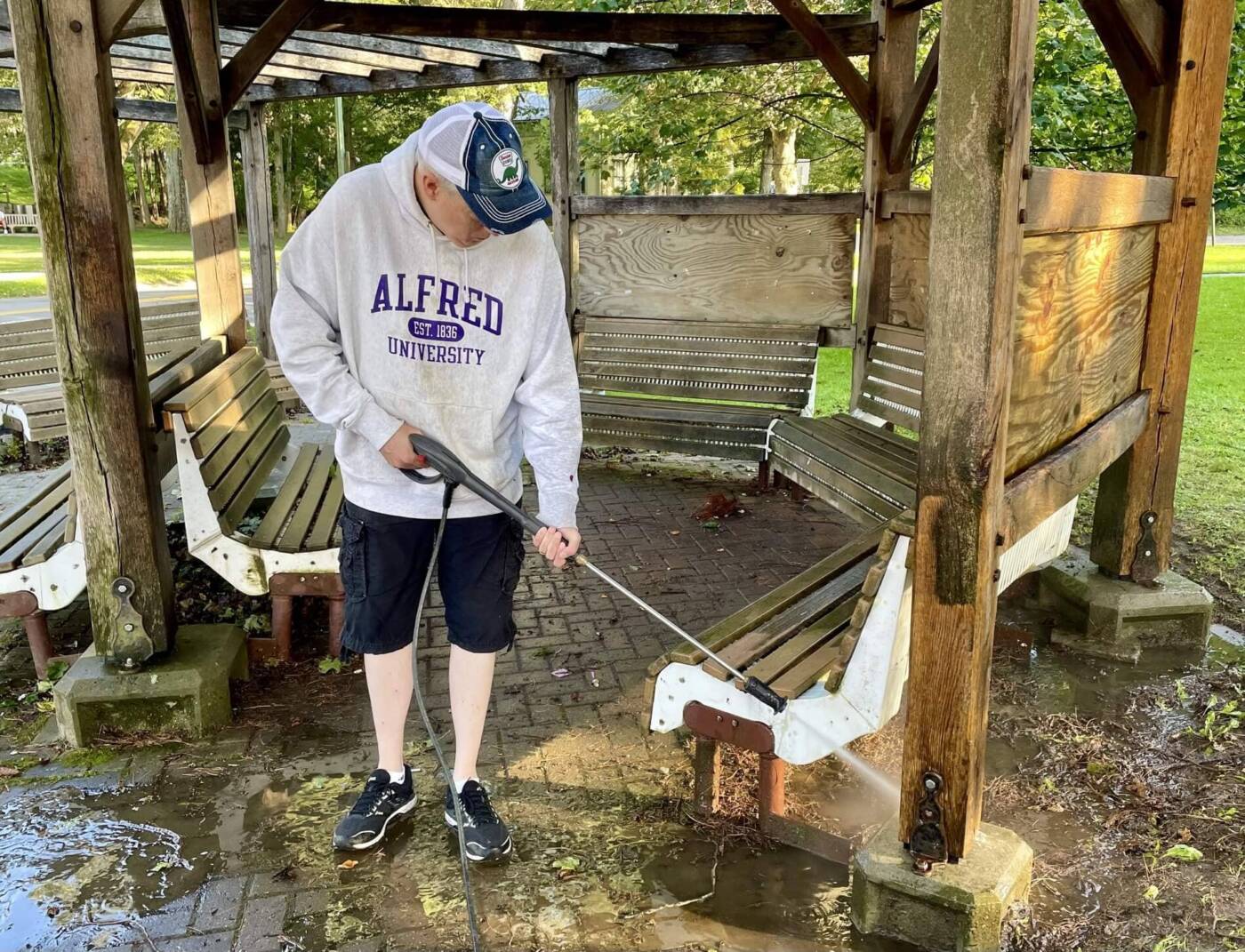
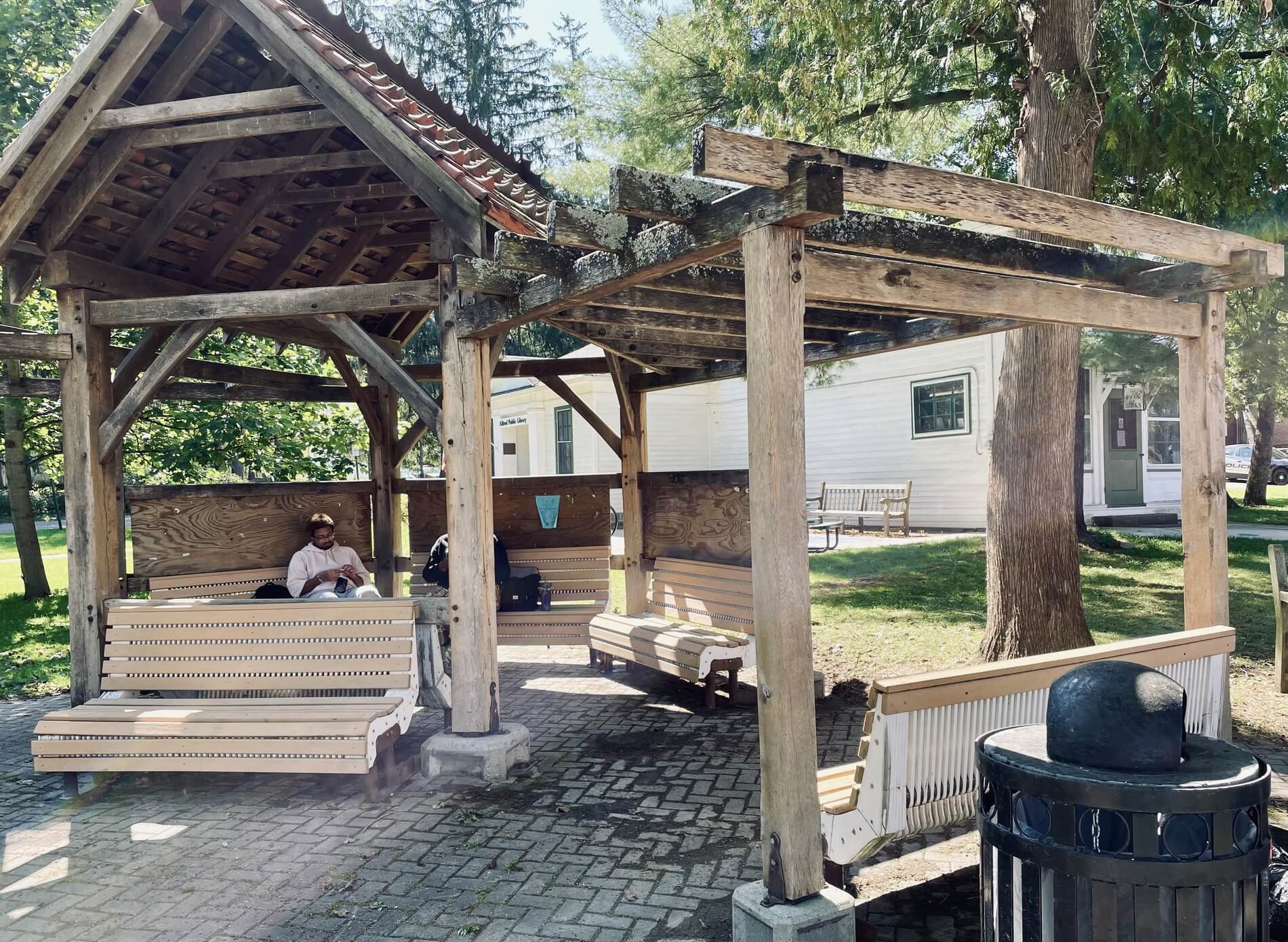
We could learn; how to do, what to do, and how long such a project might take, while working on a small structure. Therefore, we started on it, with pressure washing to clean and brighten up the wood. Sean Hyland volunteered and did the main roof tile repair. Days later, on a student service day, we started staining the wood a terra cotta color. This was the start of the cleaning and staining, which we followed with more of the same, so that now the most visible part of the structure has been done. A small portion toward the back remains to be done. A chemical cleaner was applied to the roof tiles. Thecomposite benches were effectively cleaned and some repair done, and a trial cleaning was done on the ground pavers. Finally, we added a banner across the front to make an “Alfred” statement. People can now get a beginning idea of what can be done and what it will look like. There are other finishing touches that can further brighten up the gazebo, but the work and learning has started in earnest. In the spring the cleaning and staining will be finished, and perhaps a light string can be added to the outline of the structure to highlight it and make it sparkle.
… for the early pioneers, and those who followed, as they worked to clear the land, built homes, and attempted to live on the crops and livestock they raised. As people got settled and land was better cleared, they were able to focus on businesses other than farming. Commerce began to thrive as products were made for sale, both locally and regionally; for example, potash, maple sugar, cheese, and surplus crops.
As most of the early settlers were Seventh Day Baptists, they brought their ideals and common religious practices to Alfred: ideals that strongly influenced the development of the town for over one hundred and fifty years. Their Saturday Sabbath-keeping meant that businesses were closed on Saturdays and open on Sundays. They were fairly liberal minded. As a result, they were strong abolitionists who worked to abolish slavery by vocally opposing it, participated in the Underground Railroad, and volunteered to fight in the Civil War. They were also much more open in their attitude toward women’s rights than most other people of their time.
The 1851 opening of the Erie Railroad had a major effect on day-to-day life in Alfred. Agricultural goods (including dairy and cheese products) were now easily shipped to larger markets and travel between cities was opened up as passenger trains ran the lines. A notable section of the railroad, “Tip Top” Is just over the hill from Alfred. it was so named because it’s the highest point on the Erie line between New York City and Chicago. Early steam trains had to work hard to make it over the top.
Small and large businesses flourished in the town during the nineteenth century as did the educational system. The Alfred Select School opened in 1836 to provide an education beyond the local one room schoolhouses. Open to both men and women, it soon grew and became Alfred Academy in 1843 and was incorporated as Alfred University in 1857. Due to the liberal nature of the townspeople and to strong leaders, the students were exposed to women’s rights and equality for all people at an unusually early time. Famous speakers often came to town: Frederick Douglass, Julia Ward Howe, Sojourner Truth, and Susan B. Anthony, to name a few.
The Celadon Terra Cotta Company, opened in 1888 and was soon producing decorative roof tiles made from the local shale, which, when fired in a kiln, turned a distinctive terra cotta reddish color. Many structures in Alfred still have roofs constructed with these tiles, which give our community a special aura, and speak of this important ceramics history. Celedon co-founder John Jake Merrill, also a New York State Tax Commissioner, was instrumental in obtaining the passage of the 1900 bill establishing the New York State School of Clayworking and Ceramics. This became the current New York State College of Ceramics at Alfred University. A second factory, operated by the Rock Cut Clay Company (later called the Alfred Clay Company), opened in Alfred Station and produced bricks and roofing tiles.
Continuing the expansion of educational offerings, the School of Agriculture opened with more state funding in 1908 as New York State was looking for ways to provide rural youths instruction in agriculture and domestic science. This school was eventually incorporated into the State University of New York when that formed in 1948, and is today known as Alfred State College.
While the institutions of higher education play a central role in Alfred’s daily activities, it’s important also to remember that no town is complete or flourishing without volunteer organizations that work toward noble and good causes, or the businesses that provide essential goods and services. Alfred’s history, past and present, is full of such organizations and businesses, some of which have operated for decades while others lasted only a short time.
Many wonder how Alfred got its name but no one can give a definitive answer. The most likely theory is that it is named for Alfred the Great, king of the Saxons in England, also known as the “Education King.” Whatever the truth, the community of Alfred prides itself not only on its role in education, (preschool through doctoral programs) but also on its longstanding and rich ceramics heritage.
This Alfred History has been adapted and condensed from a history of Alfred written by Laurie Lounsberry Meehan, Alfred historian, and was originally written as the introduction to the book “Alfred and Alfred Station”.